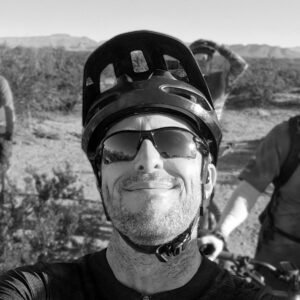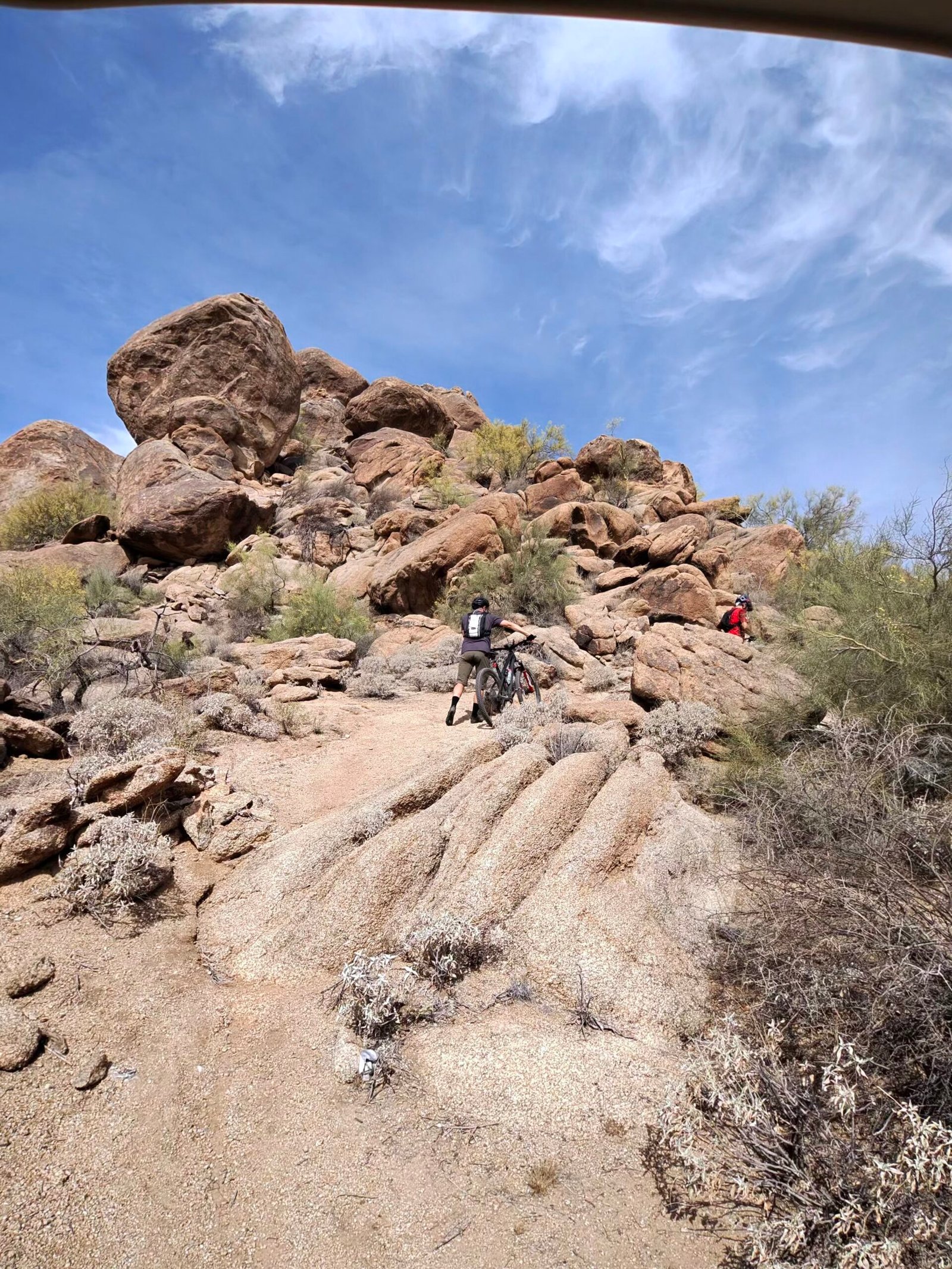
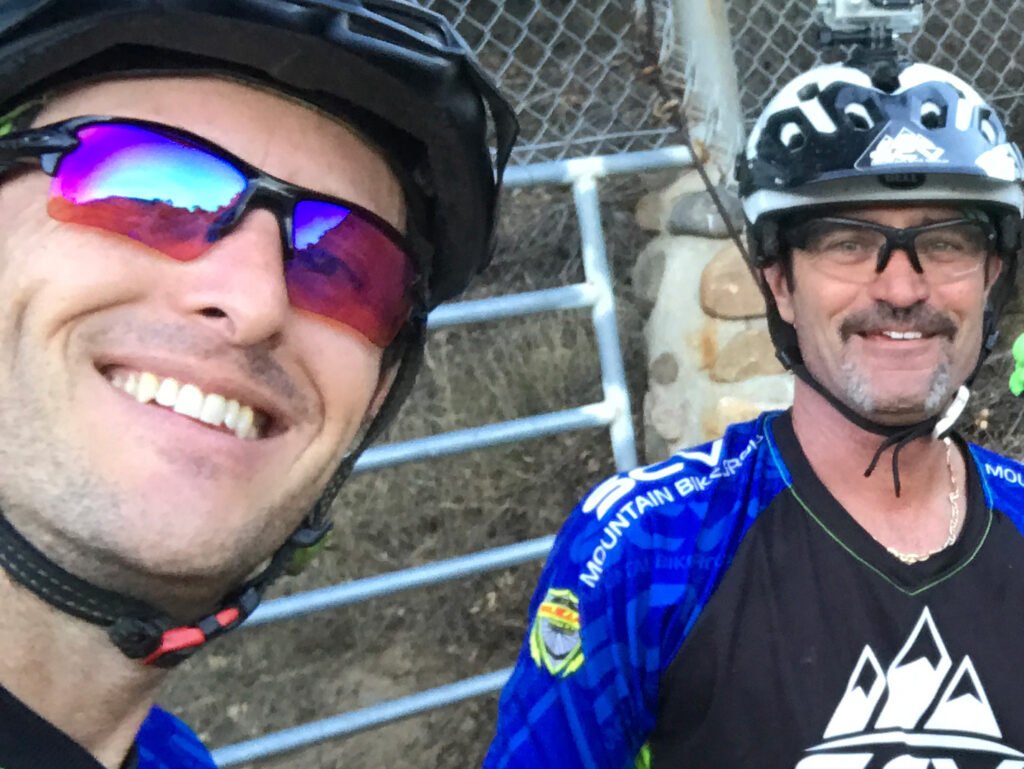
I was riding Tapia Canyon with Pat on January 31, 2014, around 8 in the morning. Friday ride—the kind where everything feels clean and fast. We’d been doing this mountain biking thing for years at that point. Santa Clarita’s got some of the best single track in Southern California, and when you live here, you take that for granted. Fast and flowy trails. Every climb has a payoff.
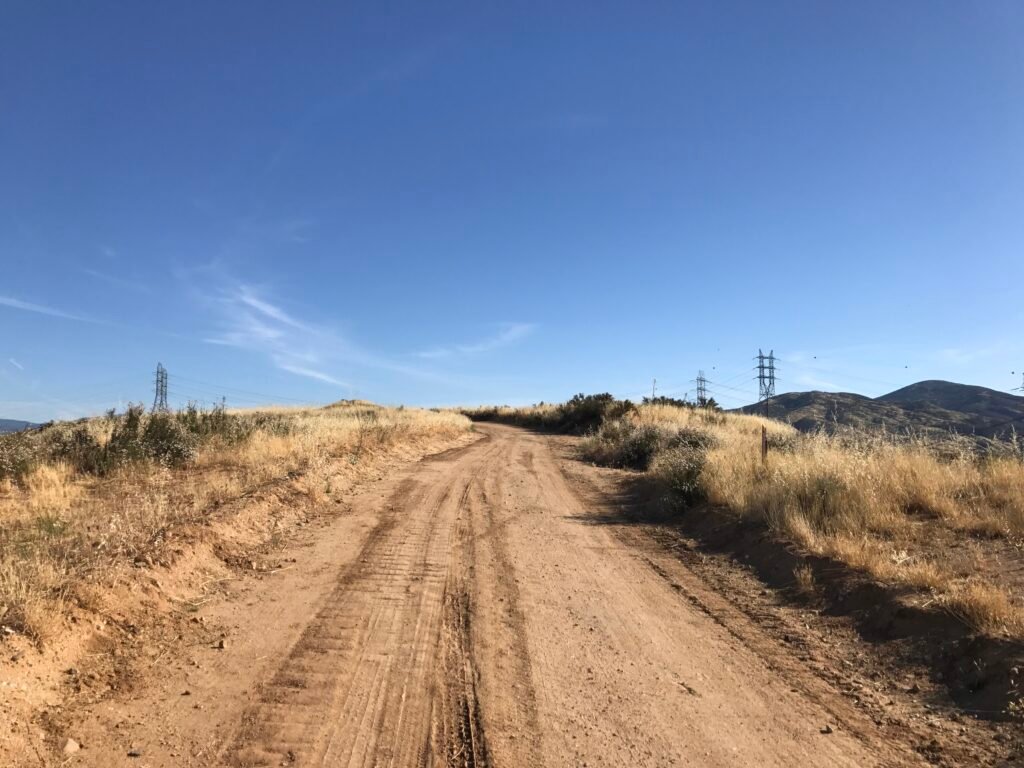
Pat took me up to Sidewinder, a newer section past the Tapia Towers that I’d never ridden before. I was stoked. Mountain biking new terrain is always got that edge to it—you don’t know what’s coming, and that’s part of why you do it.
We got to the top, and Pat dropped in first. He’s faster than me, so I was flying blind into terrain I didn’t know. That’s just how it goes sometimes.
I locked in. The turns and rollers felt good—up and over, up and over. The flow was there. About a mile in, I started recognizing the pattern. My brain was already mapping out the next moves. Roller one straight up and over. Roller two same thing. This is what happens when you’re on a roll—you stop thinking and you start assuming.
Then roller three had a sharp right turn I couldn’t see until I got to the top of it.
I panicked. Grabbed brake at the top.
My bike stopped. I didn’t.
Over the bars. Ten feet maybe. Landed hard on my left shoulder, then my head slammed into the dirt. Wind knocked out of me. Couldn’t breathe. Dirt in my mouth, eyes, ears. My left arm wouldn’t move between my shoulder and elbow. Couldn’t yell for help. The pain wasn’t there yet—just shock and the fight to get air back into my chest.
When I finally got my bearings, that’s when the real pain showed up.
My left shoulder was sticking up like a chicken wing. I was certain I’d broken my collarbone. I just knew it. You can sense that kind of break when it happens.
Here’s the thing about that moment on the trail: Pat was already gone. No one was coming. I was miles from the truck with a shoulder that might be broken and no cell service. I sat there for a minute. Not panicking. Just accepting what came next.
I walked back up Sidewinder. One step at a time, uphill. Got back in the saddle on the fire road and slowly pedal/walked down. That walk gave me time to think about the exact second I grabbed the brake instead of being just a bit more cautious and just tapping it. About the difference between riding a trail and assuming you know what a trail is going to do.
Pat caught up halfway down and walked with me the rest of the way. First thing I did was call my wife. “Babe, I’m okay… BUT…”
X-rays at Urgent Care showed a Grade III AC separation. The ligament connecting my collarbone to my shoulder bone was completely torn. That’s not a break. That’s worse than a break in a lot of ways.
A broken collarbone would’ve actually been better—faster healing, back to normal mountain biking in a few months. An AC tear leaves your collarbone permanently elevated. It’s been twelve years and it’s still sitting there. Still reminds me every time I look down.
That was January 31, 2014. I think about that moment every time I’m on new terrain. When my brain wants to assume I know what’s coming. When the mountain biking feels easy and smooth and I start getting sloppy with my attention.
The trail doesn’t care how many years you’ve been riding. It doesn’t care if you’ve got twenty PRs on Strava. You either stay focused or you don’t. There’s no middle ground.
I made assumptions on Sidewinder and panicked. Got a Grade III AC separation for it. Still got the shoulder to prove it.